
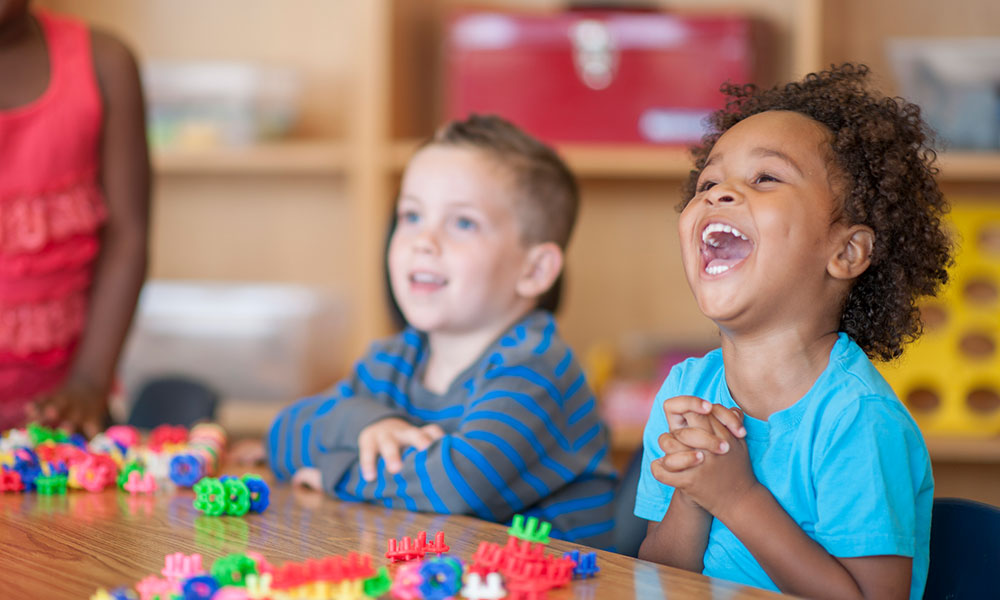
Let’s be real: toddlers are tiny whirlwinds of curiosity, energy, and (let’s face it) chaos. Between snack negotiations and endless “why?” questions, it can feel like a lot. But the good news? Everyday moments with your toddler are packed with learning potential—you just need the right activities to tap into it.
The toddler years (ages 1–3) are a time of amazing brain growth. Kids at this stage are eager to explore their world, and the best way they do that is through play. These 15 low-prep, high-fun activities encourage language, motor skills, creativity, problem-solving, and more—and they don’t require pricey gadgets or Pinterest-perfect setups. Just a little time, imagination, and your kiddo’s favorite thing: you.
1. Sensory Bins
Teaches: Fine motor skills, language, cognitive growth
Fill a plastic tub with dry pasta, rice, or oats—toss in scoops, small toys, or cups—and let your toddler dig in. It’s a sensory wonderland!
Try this: Switch up themes for seasons or holidays. Fall leaves? Yes. Plastic spiders at Halloween? Absolutely.
2. Color Sorting Games
Teaches: Color recognition, coordination, basic math
Pom-poms, blocks, or plastic lids sorted into colored bowls—it’s simple and super satisfying.
Boost it: Use tongs or spoons for extra motor skill practice.
3. Nature Walk & Object Hunt
Teaches: Observation, vocabulary, connection with nature
Even a stroll around the block can become an adventure. Collect leaves, rocks, or flowers and talk about what you find.
Make it extra: Bring a printed scavenger hunt to turn it into a game.
4. Read Aloud & Storytime
Teaches: Language skills, imagination, emotional bonding
Books with flaps, rhymes, and bold pictures are toddler gold. Ask questions as you go to keep them engaged.
Favorites: Brown Bear, Brown Bear, Goodnight Moon, and The Very Hungry Caterpillar.
5. DIY Obstacle Course
Teaches: Gross motor skills, problem-solving
Pillows to climb over, chairs to crawl under, and blankets to jump on—it’s an indoor adventure!
Learning twist: Tape shapes or colors to each station and ask your toddler to name them.
6. Water Play
Teaches: Sensory exploration, hand-eye coordination, cause and effect
Tubs, plastic cups, and a bit of water = pure toddler bliss. Add sponges, funnels, or floating toys to keep it interesting.
Important: Always supervise, even with shallow water.
7. Music and Movement Time
Teaches: Rhythm, memory, coordination, self-expression
Turn up kid-friendly tunes and get moving! Songs like If You’re Happy and You Know It are perfect.
DIY fun: Make shakers from rice and empty water bottles.
8. Shape Puzzles and Matching
Teaches: Spatial skills, geometry, logic
Wooden puzzles or cut-out shapes on paper—either way, matching shapes is a great brain workout.
Make your own: Use cardboard or colored paper for a budget-friendly version.
9. Pretend Play (Dramatic Play)
Teaches: Communication, empathy, creativity
Whether it’s doctor, chef, or superhero, pretend play helps toddlers process their world.
Parent tip: Jump in and play! Modeling language and interactions takes the fun to the next level.
10. Art with No Rules
Teaches: Fine motor skills, creativity, confidence
Set up an “art zone” and let your toddler go wild with crayons, paint, stickers, or chalk.
Messy = magical: Try finger painting, sponge stamps, or watercolors.
11. Cooking Together
Teaches: Following directions, sensory awareness, vocabulary
Toddlers love helping in the kitchen! Stirring, tearing, and pouring are all learning opportunities.
Try this: Narrate as you go—“This is squishy,” “Let’s mix slowly.”
12. Building with Blocks
Teaches: Engineering skills, balance, creativity
Stacking blocks teaches about structure, size, and cause-and-effect (hello, toppled tower!).
Make it better: Use phrases like “Let’s make it taller!” or “What happens if we add one more?”
13. Sorting Everyday Items
Teaches: Organization, visual discrimination, early math
No fancy toys needed—just socks, buttons, or spoons. Sort by color, size, or type.
Pro tip: Sorting builds logic and categorizing skills that are foundational for math.
14. Mirror Play
Teaches: Self-awareness, facial expressions, emotional vocabulary
Sit in front of a mirror and make silly faces, name emotions, or point to body parts.
Idea: Try saying, “You’re frowning—are you feeling grumpy?”
15. Easy Science Experiments
Teaches: Cause and effect, curiosity, observation
Science is just play with a twist! Try baking soda + vinegar volcanoes, color mixing, or floating/sinking tests.
Ask lots of questions: “What do you think will happen?”
How to Make the Most of Learning Through Play
- Follow their lead. If they lose interest, move on. No pressure!
- Talk, talk, talk. Narrating builds language and connection.
- Praise effort, not perfection. “You worked so hard on that puzzle!”
- Repeat often. Toddlers thrive on doing the same things again (and again).
- Keep it hands-on. They learn best by doing, not just watching.
Why This Matters
Play-based learning isn’t just fun—it’s foundational. When your toddler is stacking blocks, scribbling with crayons, or pretending to run a vet clinic, they’re not just having fun. They’re building skills they’ll use for a lifetime.
So don’t worry if your living room looks like a preschool exploded. Embrace the mess, the giggles, and the endless snack breaks. These moments are the magic.
And when in doubt? Just play. You’re doing an amazing job.