


Parenthood isn’t just about keeping a tiny human fed, rested, and safe (though yes, that’s a lot). It’s also about building connection—slowly, imperfectly, in real time. Your baby is learning the world can be trusted. And you’re learning to trust yourself in a role that can still feel brand new.
At ParentCo., we’re here for all of it, from the bond growing between you and your child and the relationships around you that might feel different. And, maybe most importantly, there’s the relationship you’re building with yourself along the way. Because raising a child doesn’t just change them. It changes you, too.


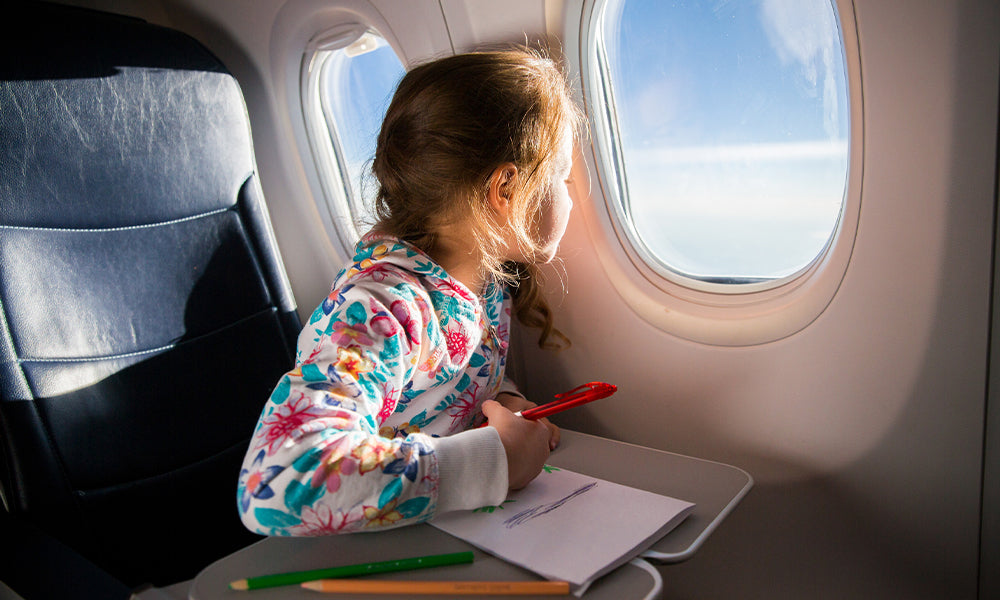
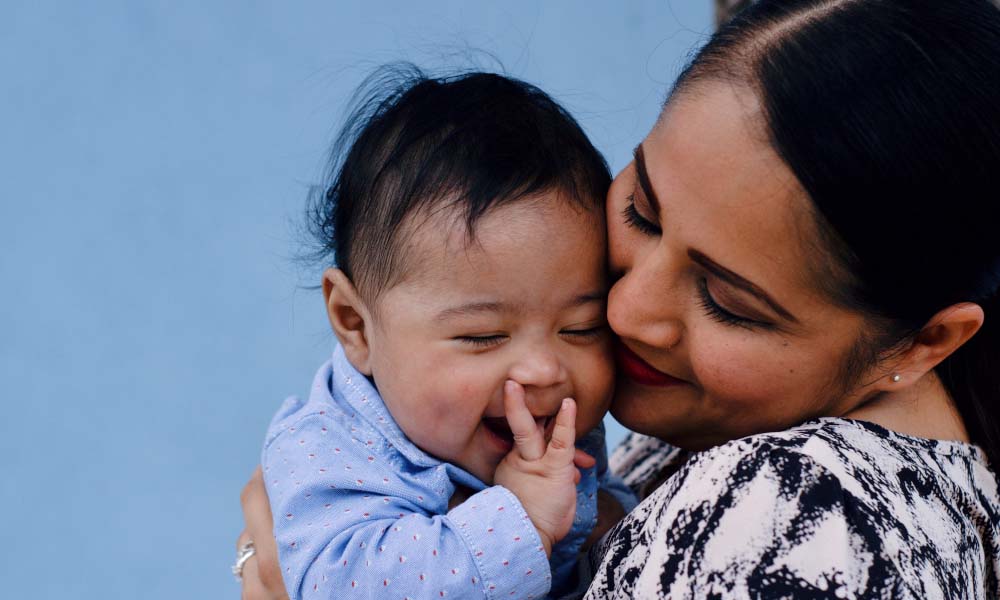

Relationships shift. With your partner, your friends, your family—and with yourself. What matters most isn’t getting it “right,” but staying present, responsive, and open to the process.
Parenthood FAQ
Some of the biggest changes in early parenthood aren’t visible. They happen in the space between you and your baby—in eye contact, in comfort, in the slow building of trust. And they happen inside you, too, as you adjust to a role that can feel both deeply natural and completely new.
These FAQs are here to help you understand what connection looks like in the early days, how relationships evolve, and how to care for your own inner world alongside your baby’s.
How do babies form emotional bonds with their parents?
Bonding begins right away, through everyday interactions. When you respond to your baby’s cries, make eye contact, hold them, and speak to them, you’re teaching them that they are safe and cared for. These repeated, simple moments build attachment over time—not in one big gesture, but in hundreds of small ones.
What is attachment, and why does it matter?
Attachment is the emotional connection your baby forms with you. A secure attachment helps your child feel safe enough to explore the world, knowing they can come back to you for comfort. It lays the foundation for future relationships, emotional regulation, and confidence.
What if I don’t feel instantly bonded to my baby?
That’s more common than people talk about. Bonding can be immediate, or it can grow gradually over days, weeks, or months. Sleep deprivation, recovery, stress, and hormonal shifts all play a role. What matters most is showing up—feeding, holding, and responding. The connection builds from there.
How can I support my baby’s emotional development early on?
Talk to your baby, respond to their sounds, mirror their expressions, and offer comfort when they’re upset. These back-and-forth interactions teach your baby how communication and relationships work. Even before words, they’re learning how to feel, express, and connect.
Can you “spoil” a newborn by responding too quickly?
No. Newborns aren’t capable of manipulation; they’re communicating their needs. Responding to them consistently helps build trust and security.Over time, that sense of safety actually supports independence, not the opposite.
How does my mood or stress affect my baby?
Babies are incredibly attuned to their caregivers. They can pick up on tone, tension, and emotional energy. That doesn’t mean you need to be calm all the time (no one is). What matters is repair—soothing yourself, reconnecting, and showing your baby that emotions can move and settle.
How do I take care of my own emotional well-being as a new parent?
Start small. Notice what helps you feel even a little more like yourself—a walk, a conversation, a shower without rushing. Accept support where you can. And remember that your needs matter, too. Caring for yourself isn’t separate from caring for your baby—it’s part of it.
Why do I feel like I’ve lost part of my identity?
Because something major has shifted. Becoming a parent doesn’t just add a role—it reshapes your time, your priorities, and your sense of self. It’s normal to grieve parts of your old life while also embracing what’s new. Identity isn’t lost—it’s evolving.
How can I stay connected to my partner after having a baby?
Connection may look different right now—short conversations, shared glances, dividing responsibilities, checking in at the end of the day. Focus on small moments of teamwork and appreciation.You’re both adjusting, and staying on the same side of that adjustment matters.
What if my relationships with friends or family are changing?
That’s a natural part of this transition. Some relationships deepen, others shift, and some may feel harder to maintain. Give yourself permission to prioritize what feels supportive and to let relationships evolve without forcing them to stay the same.
How do I handle the emotional ups and downs of early parenthood?
Expect them.It’s a time of big highs and real lows, often close together.Talking to someone you trust, getting outside, resting when you can, and lowering expectations can help. If feelings of sadness, anxiety, or overwhelm feel constant or intense, reaching out for professional support is a strong and important step.
How do I know if I’m doing a “good job” emotionally?
There’s no perfect version. But if you’re responding to your baby, trying to understand them, and repairing when things feel off, you’re doing the work. Emotional connection isn’t about perfection—it’s about consistency and care over time.
What does connection look like as my baby grows?
It changes. Early on, it’s touch and responsiveness. Later, it becomes shared attention, play, communication, and boundaries. The foundation you’re building now—trust, safety, responsiveness—carries forward into every stage.
How can I build a strong relationship with my child long-term?
Stay curious about them. Listen as they grow. Make space for their feelings. Show them who you are, too. Relationships aren’t built in one moment; they’re shaped over time through presence, respect, and repair.